

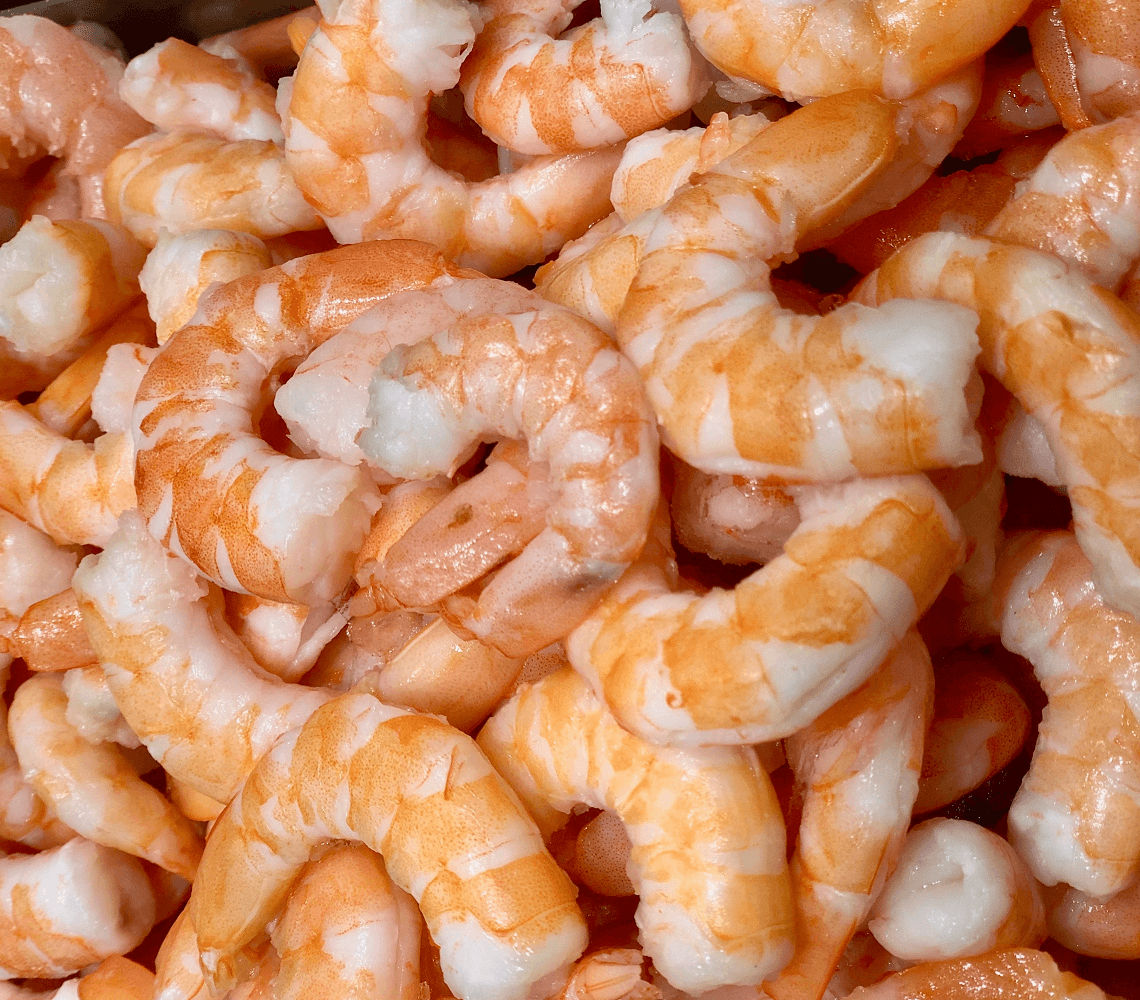

Raw Shrimp Supplier for Global Seafood Importers
Premium Raw Shrimp for International Buyers
Finding a dependable Raw Shrimp supplier matters when consistency drives your seafood business. We support importers, wholesalers, processors, retailers, restaurants, and foodservice companies worldwide.
Our commercial supply approach focuses on clear specifications, reliable communication, and organized logistics. Therefore, buyers can discuss product size, format, quantity, packaging, and destination requirements before ordering.
Raw shrimp can serve many seafood applications. They can support processing, foodservice, retail, restaurant, and wholesale operations.
Furthermore, frozen formats help international buyers manage inventory across different markets. Buyers can coordinate shipments with storage capacity and customer demand.Raw Shrimp supplier
We serve commercial seafood markets across Europe, Asia, Australia, America, Africa, the Middle East, and other global destinations.
Raw Shrimp Wholesale for Commercial Buyers
Our Raw Shrimp Wholesale supply supports businesses that purchase shrimp in commercial quantities. Wholesale buyers often need dependable specifications and practical packaging.
Therefore, we focus on understanding each buyer’s requirements before shipment. Product size, count, format, packaging, and volume can all influence purchasing decisions.Raw Shrimp supplier
Wholesale shrimp can serve seafood distributors, processors, retailers, restaurants, hotels, and foodservice companies. Additionally, importers can discuss recurring supply requirements for ongoing procurement.
Large orders require careful planning. Consequently, buyers should provide their expected volume and destination as early as possible.
This approach allows commercial teams to review available supply and logistics. It also helps buyers prepare suitable warehouse capacity before shipment arrives.Raw Shrimp supplier
Raw Shrimp Exporter for Global Markets
International seafood trade requires organized export planning. Our Raw Shrimp Exporter service supports buyers sourcing shrimp across international markets.
First, buyers provide product specifications and destination information. Next, commercial terms and available supply can be reviewed.
After confirmation, shipment planning follows the agreed requirements. Export documentation must also match the destination country’s regulations.
Depending on the shipment, documents may include commercial invoices, packing lists, health documentation, product specifications, and traceability records.
However, requirements differ between countries. Therefore, importers should confirm local regulations before placing their orders.
Accurate documentation supports smoother customs procedures. Furthermore, proper paperwork improves visibility throughout the seafood supply chain.
Raw Shrimp Wholesaler for International Supply
A professional Raw Shrimp Wholesaler should offer clear specifications and responsive communication. Commercial buyers need confidence before committing to larger seafood orders.
We help buyers review product requirements before purchase confirmation. This can include shrimp size, count, format, packaging, volume, and delivery destination.
Moreover, different customers require different specifications. Retailers may prioritize packaging and presentation. Meanwhile, processors may focus on product characteristics and bulk formats.
Foodservice buyers often need practical packaging and consistent supply. Therefore, the intended application should form part of the purchasing discussion.
Clear specifications reduce misunderstandings. As a result, buyers can plan procurement, storage, and distribution more efficiently.
Raw Shrimp Distributor Supply
Our Raw Shrimp Distributor supply supports companies that distribute seafood to restaurants, retailers, foodservice operators, and other commercial customers.
Distributors often manage multiple customer requirements. Therefore, consistent product information becomes particularly important.
Buyers can discuss available sizes, formats, packaging, and quantities. Additionally, shipment schedules can be coordinated according to destination requirements.
Distribution businesses also need reliable cold-chain planning. Frozen products should remain under appropriate temperature conditions throughout transportation and storage.
Furthermore, distributors must consider their own warehouse capacity. Proper receiving and storage procedures help maintain product quality after delivery.
For recurring customers, documented specifications can simplify future purchasing. This creates a more efficient procurement process over time.
Raw Shrimp for Sale in Bulk
Commercial buyers searching for Raw Shrimp for Sale often need more than product availability. They need suitable specifications, packaging, quantities, and logistics.
Our commercial process allows buyers to discuss their requirements before order confirmation.
Bulk purchases can support seafood processors, distributors, wholesalers, foodservice companies, and large retailers.
However, product availability can change according to supply conditions and market demand. Therefore, buyers should confirm current availability before finalizing purchase plans.
For larger orders, early communication supports better planning. It allows buyers to coordinate transportation, warehouse capacity, customs, and local distribution.
Additionally, buyers can discuss their preferred packaging format. This helps align shipments with their storage and distribution systems.
Frozen Raw Shrimp Supplier for Global Importers
Our Frozen Raw Shrimp Supplier service supports international buyers seeking frozen shrimp for commercial applications.
Frozen raw shrimp can provide practical inventory management for importers. They can also support foodservice, retail, processing, and wholesale distribution.
Cold-chain management remains essential. Therefore, frozen shrimp should remain under appropriate temperature conditions throughout storage and transportation.
Buyers should also prepare suitable frozen storage facilities. This helps protect product condition after shipment arrival.
Furthermore, packaging should match the product and intended market. Buyers can request information about carton sizes, net weights, inner packaging, labeling, and glazing.
Destination requirements should also guide purchasing decisions. Consequently, importers should provide their country and intended application during the quotation process.
Frozen Raw Shrimp Wholesale
Frozen Raw Shrimp Wholesale supply can serve supermarkets, seafood distributors, processors, restaurants, hotels, and catering companies.
Different buyers require different packaging and specifications. Therefore, we encourage buyers to provide clear requirements before placing an order.
Foodservice companies may prefer practical bulk formats. Retail businesses may require consumer-friendly packaging and labeling.
Meanwhile, processors may need specific grades or sizes for further production.
As a result, commercial specifications should reflect the final application. This approach helps buyers select products that suit their distribution model.
Frozen seafood also requires suitable warehouse management. Therefore, buyers should ensure their facilities can maintain appropriate storage conditions.
Quality Control for Raw Shrimp
Quality control begins with careful product handling and clear specifications. Our sourcing approach emphasizes product condition, packaging integrity, and cold-chain management.
Quality checks may consider size, count, appearance, freezing condition, packaging, and agreed product specifications.
Moreover, buyers can request available product information before shipment. This provides greater visibility during the purchasing process.
Seafood importers also apply strict quality expectations across multiple categories. These expectations may resemble standards used when purchasing premium salmon.
However, shrimp and salmon remain distinct seafood products. Therefore, shrimp specifications should reflect their own product characteristics.
Consistent quality expectations can support stronger commercial relationships. They can also help importers maintain their own customer standards.
Cold Chain Management and Frozen Seafood Logistics
Cold-chain management plays a critical role in frozen seafood supply. Therefore, transportation and storage require careful temperature control.
Frozen raw shrimp should remain within appropriate conditions during handling and transit. This helps protect product quality throughout the supply chain.
Packaging also provides an important layer of protection. Suitable packaging can help reduce handling risks during loading, transportation, and warehouse operations.
Furthermore, international freight requires coordinated planning. Transit times, storage arrangements, and destination handling should receive attention.
Importers should prepare suitable receiving facilities before shipment arrives. Once received, products should move into appropriate frozen storage promptly.
Sustainability and Shrimp Traceability
Sustainability has become an important factor in seafood procurement. Many international buyers now seek greater visibility across their supply chains.
Traceability helps businesses understand product movement through the supply chain. Therefore, buyers can request relevant traceability information where available.
Sustainability requirements vary between customers and markets. Some buyers may request specific sustainability certifications or supporting documentation.
For that reason, buyers should communicate these requirements before ordering. This allows the applicable product and documentation options to be reviewed.
Responsible sourcing can also support long-term commercial relationships. Furthermore, transparent supply information can strengthen buyer confidence.
Certifications and European Seafood Standards
European seafood importers often require detailed compliance information. However, exact requirements depend on the product, shipment, and destination.
Buyers can request applicable certificates and supporting documents where available. These may include health documents, traceability records, product specifications, and export paperwork.
European standards place strong emphasis on food safety and controlled seafood supply chains. Therefore, importers should confirm applicable requirements before shipment.
Other markets may have different regulations. Australia, Asia, America, Africa, and the Middle East can each apply specific import requirements.
Consequently, destination information remains important during the quotation stage. Early preparation can help reduce documentation issues.
Packaging for Raw Shrimp Export
Packaging should protect shrimp during storage and transportation. It should also suit the buyer’s distribution model.
Available formats can vary according to product specifications and supply availability.
Buyers can request information about carton sizes, net weights, inner packaging, glazing, labeling, and pallet configuration.
Retail buyers may need presentation-focused packaging. In contrast, processors and foodservice companies may prefer larger commercial formats.
Therefore, packaging should match the intended application. Clear specifications also help warehouse teams prepare for incoming shipments.
Why Choose Our Raw Shrimp Supply?
International seafood buyers need more than competitive pricing. They also need reliable communication, clear specifications, and organized logistics.
Our commercial approach begins by reviewing buyer requirements. Next, we discuss available products, quantities, packaging, and destination requirements.
We also emphasize cold-chain planning and export documentation. Additionally, buyers can request available traceability and certification information.
Our supply approach suits seafood importers, wholesalers, distributors, processors, retailers, restaurants, and foodservice companies.
Most importantly, we aim to keep commercial communication straightforward. Buyers receive clear information before shipment arrangements move forward.
Who Buys Raw Shrimp?
Raw shrimp can serve several professional seafood markets. Our target buyers include:
- Seafood importers
- Seafood wholesalers
- Seafood distributors
- Foodservice suppliers
- Restaurant suppliers
- Supermarket procurement teams
- Seafood processors
- Catering companies
- Retail seafood businesses
- International seafood trading companies
Each customer can have different specifications. Therefore, product requirements should be established before ordering.
Whether you need recurring supply or a larger commercial shipment, early planning can improve procurement efficiency.
How to Order Raw Shrimp
Start by providing your required product specifications. Include quantity, size, format, packaging, destination, and preferred delivery schedule.
Next, available supply can be reviewed against your requirements. Buyers can also discuss documentation and cold-chain arrangements.
After commercial terms receive confirmation, shipment planning can begin.
Importers should also confirm destination regulations before shipment. This includes customs procedures, food safety requirements, labeling, and applicable certifications.
For repeat customers, documented specifications can simplify future purchasing. Therefore, clear communication can support long-term seafood supply relationships.
Frequently Asked Questions
What are raw shrimp used for?
Raw shrimp can support food processing, restaurants, foodservice, retail, wholesale, and seafood distribution. The ideal specification depends on the intended application.
Can I buy raw shrimp in bulk?
Yes. Commercial buyers can request bulk quantities based on available supply. Quantity, size, format, and packaging should be confirmed before ordering.
Are frozen raw shrimp suitable for international shipping?
Yes. Frozen raw shrimp can support international distribution when suitable cold-chain conditions remain throughout storage and transportation.
Can you supply raw shrimp internationally?
International supply depends on product availability, destination regulations, logistics, and export conditions. Buyers should provide their destination when requesting a quotation.
What packaging options are available?
Packaging depends on the product and supply conditions. Buyers can request details about cartons, weights, inner packaging, glazing, and labeling.
What documents are required for shrimp imports?
Requirements vary by destination. Common documents may include invoices, packing lists, health documentation, product specifications, and traceability records.
Are sustainability certifications available?
Applicable sustainability documentation depends on the product and supply chain. Buyers should state their certification requirements before ordering.
How can I request a raw shrimp quotation?
Provide your required quantity, size, format, packaging, destination, and delivery schedule. The supplier can then review the available commercial options.
Request a Raw Shrimp Quote Today
If you are searching for a reliable Raw Shrimp supplier, provide your product requirements and destination details.
Tell us your preferred quantity, size, packaging, delivery schedule, and intended application. We can then review the available commercial options.
Buyers can also request information about cold-chain logistics, traceability, export documentation, certifications, packaging, and applicable European standards.
Our goal is to support professional seafood procurement across international markets. Therefore, we focus on clear specifications, practical logistics, and responsive commercial communication.
Choose a sourcing partner that understands the needs of international seafood buyers. Contact us today to discuss your requirements and request a competitive quotation.







Reviews
There are no reviews yet.