Mackerel Scomber Scombrus – Premium Atlantic Mackerel for Export
Sangolten Seafood supplies mackerel scomber scombrus for professional buyers seeking dependable quality, consistent specifications, and export-ready seafood. This species is widely known as Atlantic mackerel and carries the scientific name Scomber scombrus. We focus on careful handling, cold-chain control, traceability, and secure packaging. Therefore, buyers can source mackerel with clear product specifications and reliable logistics. Our approach supports wholesalers, seafood distributors, processors, retailers, and foodservice businesses across international markets.
Atlantic Mackerel for Professional Seafood Buyers
Atlantic mackerel remains a popular commercial pelagic fish in European seafood markets. Its firm flesh, rich flavour, and naturally oily profile suit many applications. Consequently, buyers can use it for fresh, frozen, filleted, portioned, smoked, or processed products.
At Sangolten Seafood, we understand that commercial buyers need more than attractive product descriptions. They need predictable quality, accurate documentation, and dependable delivery. For this reason, we build every order around clear specifications and controlled handling.
Our seafood supply process can support different buyer requirements. These may include whole fish, gutted products, fillets, portions, and frozen formats. Availability, size, preparation, origin, and packing options depend on the current supply.
What Is Scomber Scombrus Mackerel?
Scomber scombrus mackerel is the accepted scientific classification for Atlantic mackerel. The species belongs to the Scombridae family and lives mainly in marine waters. It is a fast-swimming pelagic fish with a streamlined body.
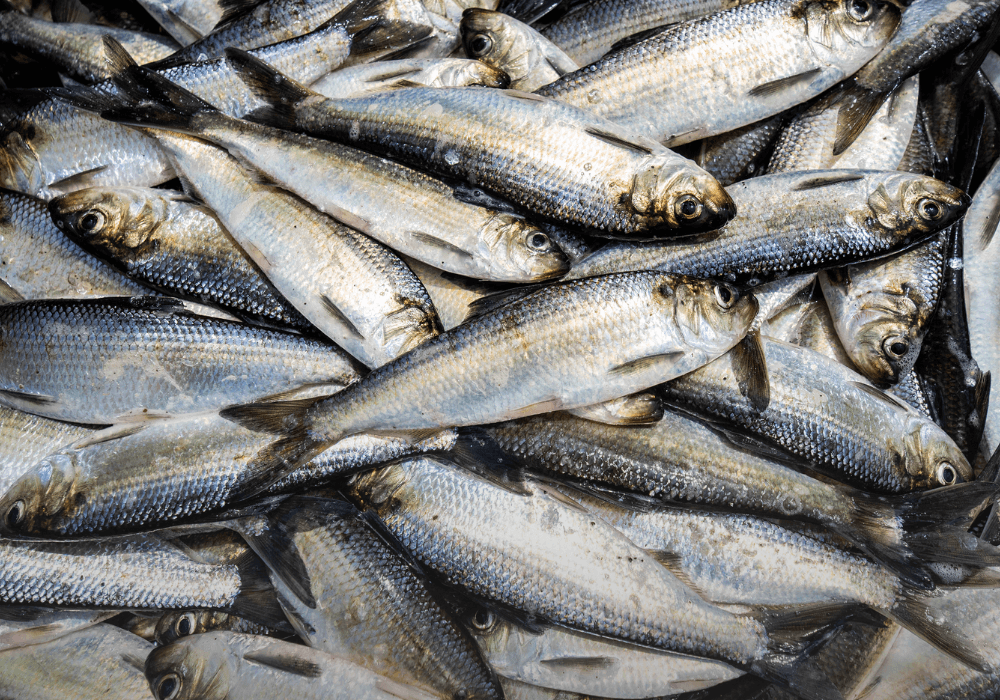
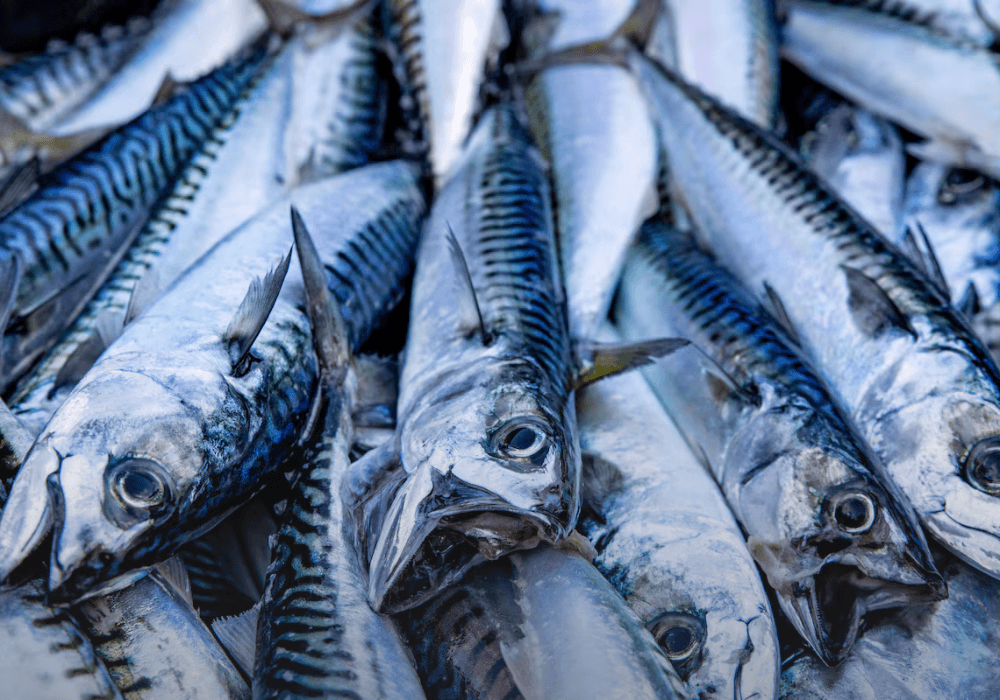
The fish typically shows a blue-green upper body with darker wavy markings. Its lower body appears silvery and lighter. These visible traits support practical Scomber scombrus identification during product inspection.
Atlantic mackerel also has a distinctive body shape. It has a pointed head, narrow caudal region, and deeply forked tail. Furthermore, its body supports efficient swimming over long distances.
For seafood buyers, accurate species identification matters. It helps reduce product confusion and supports correct documentation. It also improves consistency throughout processing, packaging, and distribution.
Mackerel Fish Characteristics
Several mackerel fish characteristics make Atlantic mackerel commercially valuable. First, the species has firm, oily flesh with a pronounced seafood flavour. This profile works well in fresh and processed seafood applications.
The fish also contains naturally occurring marine oils. Mackerel is widely recognised as an oily fish that provides omega-3 fatty acids.
Its skin can show strong visual markings and a metallic appearance. Meanwhile, the flesh can maintain a firm texture when handled correctly. Therefore, temperature control becomes essential from landing through delivery.
Product quality also depends on freshness, handling, size, preparation, and storage. Sangolten Seafood therefore treats cold-chain management as a core part of product quality.
Scomber Scombrus Habitat and Distribution
Understanding Scomber scombrus habitat helps buyers understand the species and its seasonal availability. Atlantic mackerel is a highly mobile pelagic fish. It can travel across large areas of the North Atlantic.
Its distribution covers important Atlantic fishing regions. These include waters around northern and western Europe and broader North Atlantic areas.
The species often follows productive feeding conditions. As water conditions and food availability change, mackerel can move between areas. Therefore, fishing location and season can influence supply patterns.
The Atlantic mackerel habitat and distribution also explain why origin and catch information matter commercially. Accurate catch-area information supports traceability and helps buyers understand each lot.
For European seafood trade, traceability is especially important. EU fisheries rules require fishery products to remain traceable through production, processing, and distribution.
Scomber Scombrus Size and Commercial Specifications
Scomber scombrus size can vary according to age, stock, season, and fishing area. Commercial buyers often purchase mackerel according to defined weight or size ranges.
Size grading helps processors plan yields and production. It also supports consistent portioning and retail presentation. Consequently, buyers should specify their preferred size range before ordering.
Sangolten Seafood can discuss available size grades based on current supply. We can also clarify preparation style, packing format, quantity, and destination requirements.
Because availability changes with fisheries and seasons, product specifications should be confirmed for each order. This approach helps buyers avoid assumptions and supports accurate purchasing decisions.
Mackerel Diet and Feeding Habits
The mackerel diet and feeding habits reflect the species' active pelagic lifestyle. Atlantic mackerel feeds on a range of planktonic organisms and small marine prey.
Research on Atlantic mackerel in the Norwegian Sea has documented varied prey selection. The fish can also show size-selective feeding behaviour.
This feeding behaviour supports its role within marine food webs. It also contributes to the species' commercial importance as a productive pelagic fish.
For seafood buyers, however, product quality remains the priority. Catch handling, chilling, processing, storage, and transport directly affect the final product. Therefore, strong post-catch controls are essential.
Atlantic Mackerel Life Cycle
The Atlantic mackerel life cycle includes spawning, larval development, juvenile growth, and adult migration. Mackerel move between areas during different stages and seasons.
Adults can travel considerable distances while following suitable feeding and spawning conditions. Consequently, fisheries can involve several geographic areas during the year.
This mobility creates additional importance for accurate catch documentation. Buyers need confidence that product information matches the supplied lot.
At Sangolten Seafood, traceability forms part of our commercial supply approach. We support clear communication around product origin, specifications, documentation, and shipment details.
Quality Control and Cold Chain
Premium seafood quality starts immediately after harvest. Mackerel requires rapid and careful temperature control because it is an oily fish.
European food hygiene rules require fresh fishery products to remain at temperatures approaching melting ice. Frozen fishery products generally require storage and transport at no more than -18°C.
Therefore, our supply process prioritises controlled handling and cold-chain continuity. We work to minimise unnecessary temperature changes during processing and logistics.
Packaging also protects product quality during transport. Suitable packaging helps prevent contamination, physical damage, and unwanted moisture contact.
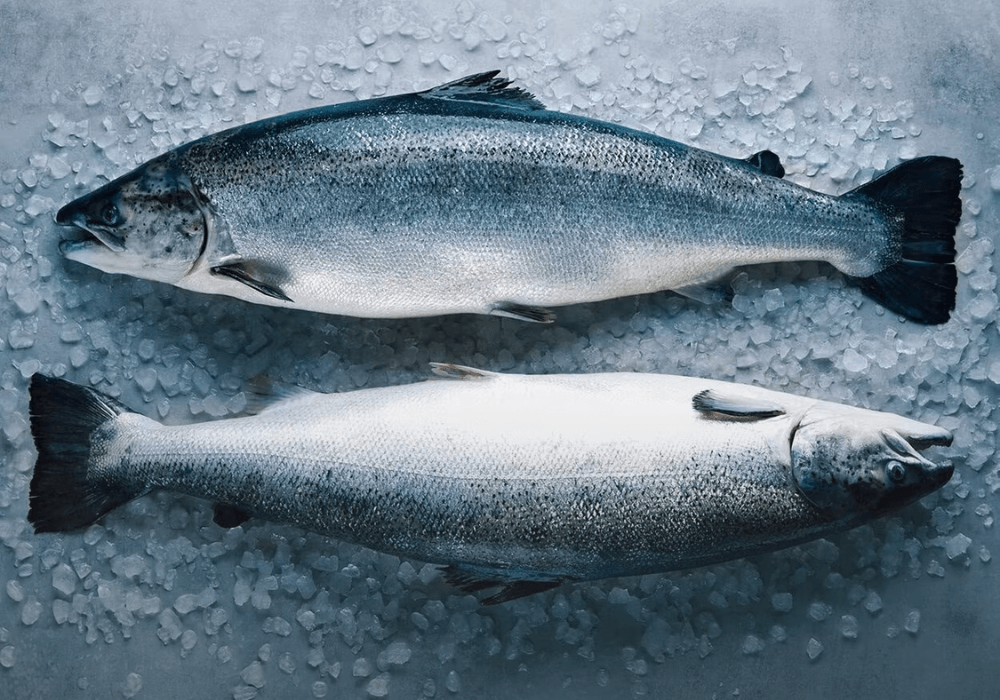
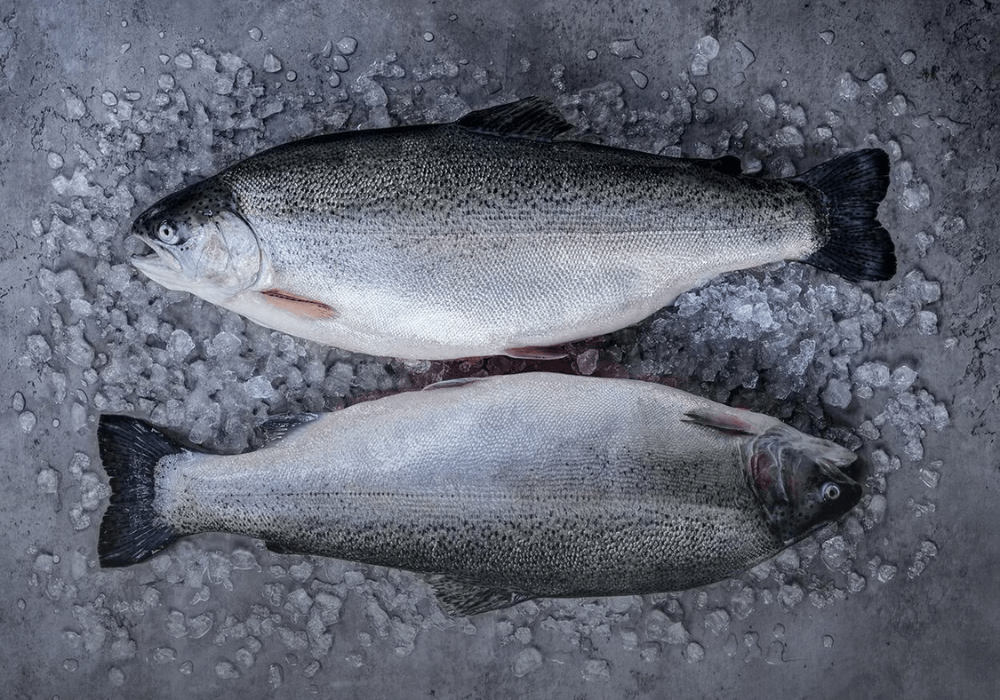
These controls reflect the same disciplined approach that professional buyers expect when sourcing premium seafood, including high-value products such as salmon.
Traceability and Export Documentation
Seafood buyers increasingly require transparent and verifiable supply chains. Traceability helps businesses identify product movement from catch through processing and distribution.
EU rules require fisheries and aquaculture products to remain traceable at relevant stages of the supply chain. Lot information also supports effective identification and control.
Sangolten Seafood understands the importance of accurate export documentation. Depending on the shipment, documentation can include commercial invoices, packing information, health-related documents, catch documentation, and other destination-specific paperwork.
Requirements can differ by origin, destination, product form, and applicable regulations. Therefore, we confirm documentation requirements before shipment.
This approach helps importers, distributors, and processors prepare for customs clearance and receiving procedures.
Sustainable Mackerel Sourcing
Sustainability remains an important consideration when buying Atlantic mackerel. Buyers should assess the specific fishery, stock, fishing area, and certification status rather than relying on generic sustainability claims.
Certification can also change over time. For example, the Marine Stewardship Council currently states that Atlantic mackerel fisheries are suspended from its certification programme.
Therefore, Sangolten Seafood does not treat a general MSC reference as proof of certification for every mackerel shipment. Instead, certification claims should relate to the specific fishery and valid documentation.
This distinction gives professional buyers more useful information. It also supports responsible purchasing and transparent communication throughout the seafood supply chain.
Packaging for International Seafood Delivery
Packaging plays an important role in maintaining product integrity. It must protect the fish during handling, storage, loading, and transport.
Fresh and frozen products require different temperature and packaging controls. EU hygiene rules also establish requirements for fishery-product packaging and storage.
We can discuss packaging specifications according to product format and destination. Options may include bulk commercial packs, frozen blocks, cartons, and other buyer-specific configurations.
The final packaging format depends on the product, processing method, shipment requirements, and destination market. Therefore, buyers should confirm their preferred specification during quotation.
Why Source Mackerel from Sangolten Seafood?
Choosing a seafood supplier involves more than price. Buyers need dependable communication, product consistency, documentation, and logistics.
Sangolten Seafood focuses on these practical requirements. We aim to make international seafood sourcing straightforward and transparent.
Our approach includes:
- Commercially suitable Atlantic mackerel specifications
- Clear product identification
- Traceability-focused supply information
- Controlled cold-chain handling
- Export documentation support
- Secure packaging options
- European market requirements awareness
- Professional communication with international buyers
- Flexible discussions around size and preparation
- Quality-focused shipment planning
Most importantly, we understand the needs of B2B seafood buyers. Our goal is to support repeat orders through clear specifications and dependable service.
Order Atlantic Mackerel for Your Business
If you are sourcing Atlantic mackerel for wholesale, distribution, processing, retail, or foodservice, Sangolten Seafood can discuss your requirements.
Tell us your preferred product form, size, quantity, packaging, destination, and delivery schedule. We can then review current availability and provide the relevant commercial details.
Whether you need whole fish or processed formats, clear specifications help us prepare the right offer. Furthermore, early communication can simplify documentation and logistics planning.
For buyers seeking mackerel scomber scombrus, product quality and supply transparency should remain central to every purchase decision. Contact Sangolten Seafood to discuss current availability, specifications, and export requirements.
Frequently Asked Questions
What is the Atlantic mackerel scientific name?
The Atlantic mackerel scientific name is Scomber scombrus. It belongs to the Scombridae family and is a pelagic marine fish.
What is Scomber scombrus?
Scomber scombrus is Atlantic mackerel. It is a commercially important pelagic fish found across parts of the North Atlantic.
What is the typical Scomber scombrus size?
Scomber scombrus size varies by age, fishing area, stock, and season. Commercial products are commonly supplied according to agreed size or weight grades.
Where does Atlantic mackerel live?
Atlantic mackerel lives mainly in marine waters of the North Atlantic. Its distribution includes important waters around Europe and the wider North Atlantic.
What does Atlantic mackerel eat?
Atlantic mackerel feeds on planktonic organisms and small marine prey. Studies also report selective feeding based on prey size and availability.
How is Atlantic mackerel identified?
Scomber scombrus identification uses features such as its streamlined body, blue-green back, dark wavy markings, silvery underside, and deeply forked tail.
How should frozen mackerel be stored?
EU rules generally require frozen fishery products to remain at no more than -18°C throughout the product.
Does Sangolten Seafood provide export documentation?
Export documentation depends on the product, origin, destination, and shipment requirements. Sangolten Seafood can discuss the required documents before shipment.
Is Atlantic mackerel MSC certified?
MSC certification depends on the specific fishery and current certification status. The MSC currently states that Atlantic mackerel fisheries are suspended from its certification programme.
How can I buy Atlantic mackerel from Sangolten Seafood?
Contact Sangolten Seafood with your required quantity, size, product form, packaging, destination, and delivery schedule. We can then discuss current availability and commercial terms.
Get a Quote for Scomber Scombrus Mackerel
Looking for reliable Atlantic mackerel supply? Sangolten Seafood can help you source Scomber scombrus mackerel with clear specifications, controlled handling, traceability, and export-focused service.
Request current availability and pricing today. Provide your required size, quantity, preparation, packaging, and destination so we can prepare a suitable quotation.