Why Choose a European Seafood Supplier (Norway) for Wholesale Seafood?

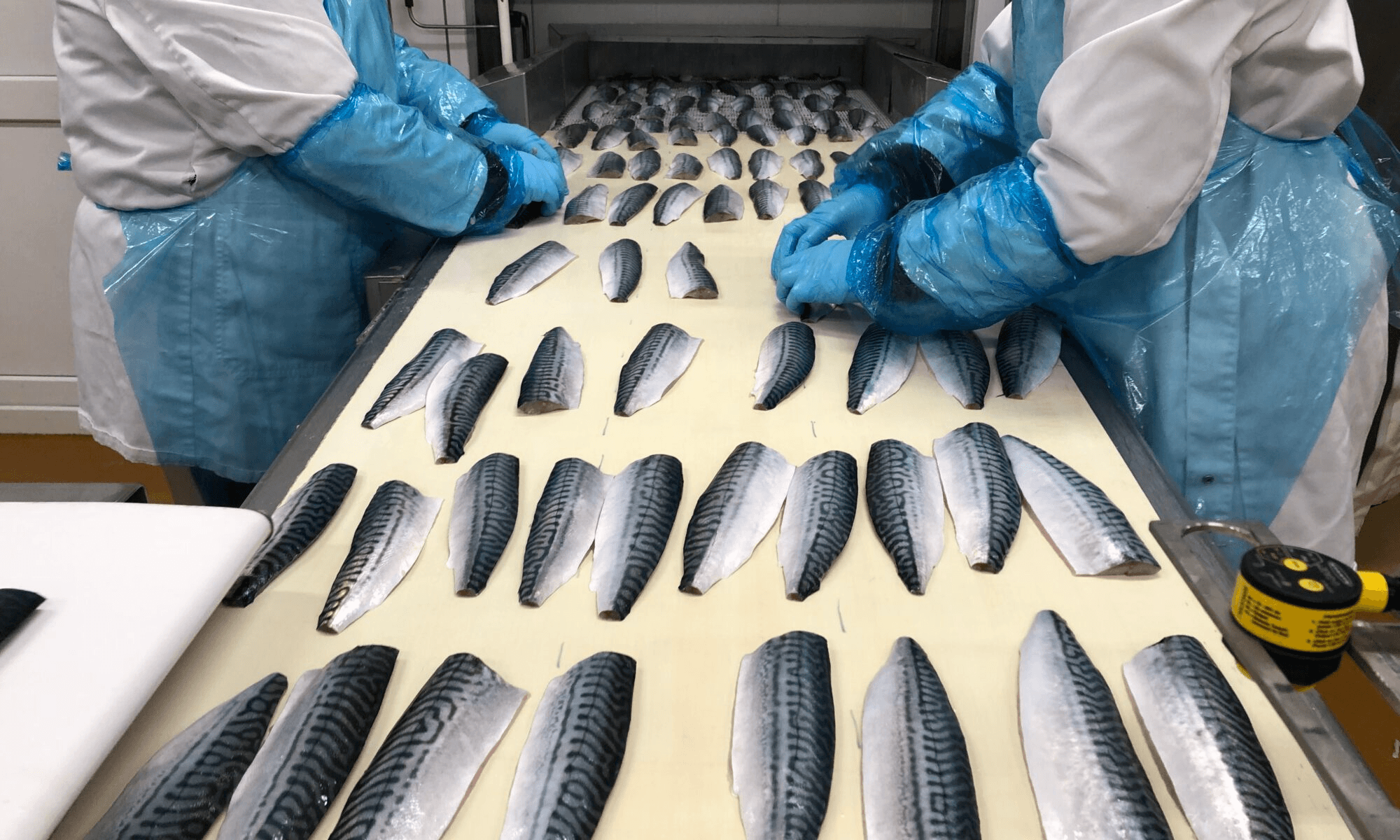
European Seafood Supplier
Finding the right European Seafood Supplier is one of the most important decisions for seafood wholesalers, distributors, retailers, restaurants, importers, and foodservice businesses. Your supplier directly affects product quality, consistency, pricing, delivery reliability, food safety, and ultimately the reputation of your business.
Europe has a long history of commercial fishing and seafood production, and Norway has become one of the world’s most recognized seafood-producing countries. With access to cold, clean waters, advanced aquaculture, modern processing facilities, and established export infrastructure, Norway offers significant advantages for international seafood buyers.
However, choosing a supplier should involve more than simply finding the lowest price. Buyers need to evaluate product origin, quality standards, traceability, logistics capabilities, certifications, packaging, and long-term supply reliability.
Whether you are looking for frozen seafood, fresh fish, Norwegian salmon, cod, shellfish, or other wholesale products, working with a reliable European Seafood Supplier can help strengthen your supply chain.
In this guide, we explain why sourcing European seafood, particularly seafood from Norway, can be an excellent choice for wholesale buyers around the world.
What Is a European Seafood Supplier?
A European Seafood Supplier is a company that sources, processes, distributes, or exports seafood products originating from European waters or European seafood-producing countries.
Depending on the company, a seafood supplier may provide products such as:
- Fresh fish
- Frozen fish
- Whole round fish
- Fish fillets
- Shellfish
- Crustaceans
- Salmon
- Cod
- Mackerel
- Herring
- Snow crab
- King crab
- Other commercial seafood products
European suppliers often work with fishing companies, aquaculture farms, seafood processors, cold-storage facilities, and international logistics providers to deliver products to buyers worldwide.
Norway is particularly important in the global seafood industry. The country is internationally recognized for products such as Atlantic salmon, cod, mackerel, herring, and premium shellfish.
A professional supplier does more than sell seafood. The best companies help buyers manage sourcing, product specifications, packaging, documentation, export procedures, and international transportation.
For wholesale buyers, this makes selecting the right wholesale seafood supplier an essential part of building a dependable and profitable seafood business.
Why Source Seafood from Europe and Norway?
Access to High-Quality Seafood Resources
Europe has some of the world’s most established fishing and seafood industries. Norway, in particular, benefits from extensive coastlines and cold marine environments that support a wide range of commercially valuable seafood species.
Norwegian seafood is supplied through both responsible wild fisheries and modern aquaculture operations.
For buyers, this creates access to a diverse product range, including:
- Atlantic salmon
- Norwegian cod
- Saithe
- Haddock
- Mackerel
- Herring
- Snow crab
- King crab
- Other frozen and fresh seafood products
The availability of different species allows importers and distributors to build a diversified product portfolio from a single sourcing region.
Strong Seafood Industry Infrastructure
Norway has invested heavily in seafood processing, cold-chain systems, aquaculture technology, and international export infrastructure.
This infrastructure helps support product handling from the point of harvest through processing, storage, transportation, and international delivery.
For wholesale buyers, efficient infrastructure can reduce unnecessary delays and help maintain product quality throughout the supply chain.
Competitive Wholesale Opportunities
Many buyers search online for cheap seafood from Norway or cheap seafood from Europe. Competitive pricing can certainly be important, especially for wholesalers operating in price-sensitive markets.
However, the cheapest product is not always the best commercial option.
A lower purchase price can become expensive if products arrive late, fail quality inspections, suffer from poor temperature control, or do not meet the agreed specifications.
The best approach is to look for competitive pricing combined with reliable quality, correct documentation, and dependable delivery.
A professional supplier should help buyers find the right balance between price and value.
What to Look for in a Seafood Supplier
Choosing a seafood supplier requires careful evaluation. Price should be only one part of the decision.
Product Quality and Consistency
Ask whether the supplier can consistently provide the product specifications you require.
Important specifications may include:
- Species
- Product origin
- Size and weight
- Processing method
- Glazing percentage
- Packaging format
- Storage temperature
- Fresh or frozen condition
- Minimum order quantity
Consistency is especially important for distributors and retailers that need standardized products for their customers.
Reliable Product Availability
Seafood availability can change because of seasons, fishing quotas, weather conditions, biological factors, and market demand.
A reliable Norwegian Seafood Supplier should communicate clearly about availability and realistic delivery schedules.
Suppliers should avoid making promises they cannot fulfill.
Experience in International Trade
Exporting seafood internationally involves more than arranging transportation.
Depending on the destination, shipments may require specific commercial documents, health certificates, customs documentation, certificates of origin, and other import-related paperwork.
An experienced Norwegian fish exporter understands the importance of accurate documentation and clear communication with buyers.
Transparent Communication
Good communication is essential when purchasing wholesale seafood internationally.
Your supplier should clearly explain:
- Product availability
- Prices
- Lead times
- Packaging
- Payment terms
- Shipping arrangements
- Required documents
Unclear communication can create unnecessary problems during international transactions.
Flexible Product Solutions
Different buyers have different requirements.
A restaurant distributor may need smaller packaging, while an industrial processor may require bulk cartons or specific product sizes.
The best wholesale seafood supplier should understand commercial requirements and help identify suitable product and packaging solutions.
Seafood Quality and Traceability
Quality and traceability are essential when buying European seafood.
Modern seafood buyers increasingly want to know where products come from and how they have moved through the supply chain.
Traceability can include information about:
- Species
- Catch or farming origin
- Processing location
- Production dates
- Batch identification
- Storage conditions
- Transportation history
This information helps importers manage food safety, quality control, and regulatory requirements.
Why Traceability Matters
Traceability helps businesses respond quickly if a quality or regulatory issue occurs.
For example, if a buyer identifies a problem with a particular shipment, batch information can help identify the source and determine which products may be affected.
Traceability also helps businesses provide more information to customers who increasingly want transparency about seafood origin.
When working with a European Seafood Supplier, buyers should ask how product batches are identified and what traceability information is available.
Quality control should also include proper temperature management.
Frozen seafood must remain within appropriate storage conditions throughout transportation and storage. Breaks in the cold chain can negatively affect product quality and shelf life.
For more information about responsible seafood management and Norwegian seafood standards, buyers can consult Norwegian Seafood Council and relevant food-safety authorities in their destination market.
Frozen vs. Fresh Seafood: Which Is Better for Wholesale Buyers?
Both fresh and frozen seafood can offer excellent commercial opportunities.
The right choice depends on your market, customers, logistics capabilities, and expected delivery times.
Fresh Seafood
Fresh seafood is often preferred by premium restaurants, hotels, fish markets, and customers seeking products with a short supply chain.
However, fresh seafood requires fast and carefully controlled logistics.
Buyers need to consider:
- Transit time
- Temperature control
- Shelf life
- Airport logistics
- Customs clearance
- Local distribution speed
Fresh seafood can provide excellent value when logistics are efficient.
Frozen Seafood
Frozen seafood offers important advantages for international wholesale distribution.
These can include:
- Longer storage life
- Easier inventory management
- Wider international distribution
- Reduced pressure from short delivery windows
- Greater flexibility for wholesalers
Frozen products can be particularly suitable for importers serving supermarkets, foodservice businesses, and distributors.
When buying frozen products, ask your supplier about freezing methods, glazing, packaging, storage temperatures, and product specifications.
Sangolten Seafood can help wholesale buyers explore suitable options across different seafood categories based on their commercial requirements.
Suggested internal link: [Explore Sangolten Seafood products →]
Export and International Logistics
International logistics are a major part of wholesale seafood purchasing.
Even excellent seafood products can lose value if transportation and export procedures are poorly managed.
A reliable supplier should understand the journey from the processing facility to the buyer’s destination.
Cold-Chain Management
The cold chain refers to maintaining appropriate temperatures throughout storage and transportation.
This can involve:
- Cold storage facilities
- Refrigerated trucks
- Reefer containers
- Air freight handling
- Temperature-controlled warehouses
Proper cold-chain management helps protect seafood quality during international transport.
Choosing the Right Shipping Method
Different products require different logistics solutions.
Fresh seafood may be transported by air to reach international markets quickly.
Frozen seafood is often shipped by sea in refrigerated containers, particularly for large-volume orders.
The right method depends on:
- Product type
- Destination
- Order volume
- Required delivery time
- Transportation budget
Export Documentation
International seafood shipments may require several documents depending on the product and destination market.
These may include commercial invoices, packing lists, transport documents, health documentation, and customs-related paperwork.
Requirements vary between countries.
A professional supplier should communicate clearly about which documents are provided and which responsibilities belong to the buyer or importer.
This is another reason why working with an experienced European Seafood Supplier can reduce complexity for international buyers.
Popular Norwegian Seafood Products
Norway offers a broad range of seafood products for international wholesale markets.
Norwegian Atlantic Salmon
Norwegian salmon is one of the country’s best-known seafood exports.
It is widely used by:
- Restaurants
- Supermarkets
- Seafood distributors
- Sushi businesses
- Foodservice companies
Salmon can be supplied in different formats, including whole fish, fillets, portions, and frozen products.
Norwegian Cod
Cod remains one of the most important products in international seafood markets.
It is valued for its mild flavor and versatility.
Wholesale buyers may source cod in formats such as:
- Whole fish
- Head-on products
- Headless products
- Fillets
- Frozen portions
Mackerel
Norwegian mackerel is popular in many international markets.
It can be supplied frozen and is commonly distributed through wholesale, retail, and foodservice channels.
Herring
Herring is another important product within European seafood markets.
It is used in traditional food products, processing industries, and international retail markets.
Norwegian Shellfish and Crab
Norway is also associated with premium shellfish products, including king crab and snow crab.
These products can offer attractive opportunities for wholesalers serving premium restaurants and seafood markets.
Questions Buyers Should Ask Seafood Suppliers
Before placing a wholesale order, buyers should ask detailed questions.
Important questions include:
What Is the Exact Product Specification?
Confirm species, size, processing method, packaging, and storage requirements.
What Is the Minimum Order Quantity?
Minimum order requirements can vary depending on the product and packaging.
Where Does the Seafood Come From?
Ask about the country and production origin of the product.
What Documentation Is Available?
Clarify export and product documentation before confirming an order.
What Are the Delivery Terms?
Confirm the agreed Incoterms, shipping responsibilities, delivery location, and expected lead times.
How Is Product Quality Controlled?
Ask about quality procedures, temperature management, traceability, and product inspection.
Asking these questions early can prevent misunderstandings and create a stronger long-term supplier relationship.
Why Choose Sangolten Seafood as Your European Seafood Supplier?
Choosing the right supplier means finding a company that understands both seafood and international wholesale requirements.
Sangolten Seafood aims to support buyers looking for reliable access to quality European seafood and products sourced from Norway.
Our approach focuses on helping international buyers identify suitable seafood products based on their market requirements.
Whether you are searching for:
- A Norwegian Seafood Supplier
- Competitive cheap seafood from Norway
- A reliable wholesale seafood supplier
- Frozen seafood products
- Seafood export solutions
- Norwegian fish and seafood products
Sangolten Seafood works to provide clear communication and commercially focused sourcing solutions.
We understand that wholesale buyers need more than a product list.
They need reliable information about availability, specifications, packaging, logistics, and international supply.
Our goal is to build long-term business relationships by helping customers make informed purchasing decisions.
Frequently Asked Questions About European Seafood Suppliers
What is a European Seafood Supplier?
A European Seafood Supplier is a company that supplies, processes, distributes, or exports seafood originating from European countries and seafood-producing regions.
Why is Norway popular for seafood sourcing?
Norway has extensive marine resources, modern seafood infrastructure, established aquaculture, and significant experience in international seafood exports.
Can I buy cheap seafood from Norway wholesale?
Competitive wholesale opportunities may be available depending on the species, season, order volume, processing requirements, and market conditions. Buyers should compare total value rather than focusing only on the lowest product price.
What seafood products are commonly exported from Norway?
Popular products include salmon, cod, mackerel, herring, snow crab, king crab, and other fresh and frozen seafood products.
Should I choose fresh or frozen seafood?
The best choice depends on your market and logistics capabilities. Fresh seafood requires faster delivery, while frozen seafood generally provides longer storage flexibility.
What should I check before choosing a supplier?
Buyers should evaluate product quality, traceability, availability, communication, documentation, logistics experience, and the supplier’s ability to meet agreed specifications.
Does Sangolten Seafood supply international wholesale buyers?
Sangolten Seafood focuses on supporting seafood buyers looking for wholesale sourcing and international supply solutions. Contact the company directly to discuss current product availability and commercial requirements.
Choosing the right European Seafood Supplier can have a major impact on your seafood business.
Norway offers access to internationally recognized seafood products, modern industry infrastructure, and strong export capabilities. However, successful sourcing depends on more than price.
Buyers should focus on quality, traceability, communication, logistics, product specifications, and long-term reliability.
If you are looking for European seafood, a dependable Norwegian Seafood Supplier, or wholesale seafood from Norway, Sangolten Seafood is ready to discuss your sourcing requirements.
Looking for a Reliable European Seafood Supplier?
Contact Sangolten Seafood today to discuss your wholesale seafood requirements, product specifications, packaging options, and international supply needs.
Get in touch with our team and request information about available Norwegian and European seafood products for your market.