Seafood Traceability: Why It Matters When Buying Norwegian Seafood


Seafood sourcing
Seafood sourcing from Europe is as important as ever. When buying Norwegian seafood, quality starts long before the product reaches your kitchen, restaurant, or warehouse. Seafood sourcing determines where products come from, how they are handled, and how reliably suppliers can document every stage. Therefore, traceability has become essential for buyers who need consistent quality, food safety, and responsible supply chains.
Norwegian seafood operates within strict food safety and export frameworks. In addition, buyers increasingly expect clear information about origin, certifications, handling, and sustainability. A reliable supplier should therefore provide more than competitive pricing. They should offer documented sourcing, controlled logistics, and dependable product information.
For importers, retailers, restaurants, and foodservice companies, traceability reduces uncertainty. It also supports better purchasing decisions and stronger customer confidence. This article explains why seafood traceability matters when purchasing Norwegian seafood and what professional buyers should check before choosing a supplier.
What Is Seafood Traceability?
Seafood traceability means the ability to follow a seafood product through production, processing, storage, and distribution. EU food law requires traceability throughout the food chain. Operators must identify their immediate suppliers and the businesses receiving their products.
For seafood buyers, this creates a documented chain of information. That chain can include product origin, supplier details, lot numbers, processing information, quantities, and dispatch details.
Traceability also supports faster action when a food safety issue occurs. Businesses can identify affected products and manage withdrawals more efficiently. Consequently, traceability protects both consumers and commercial buyers.
For Norwegian seafood, traceability can provide valuable visibility from production through export and delivery. This visibility becomes especially important when products cross borders or pass through several logistics stages.
Why Seafood Sourcing Matters for Norwegian Seafood Buyers
Professional seafood sourcing involves much more than finding an attractive price. Buyers must assess origin, product specifications, supplier reliability, food safety, logistics, and documentation.
A strong sourcing process begins with a qualified supplier. The supplier should understand the requirements of international buyers and provide consistent product information.
Furthermore, responsible sourcing helps businesses manage supply risks. Buyers can evaluate where seafood originates and how suppliers maintain quality throughout the supply chain.
This matters particularly for Norwegian salmon. Buyers often require consistent size, grading, freshness, packaging, and delivery schedules. Therefore, a documented sourcing process can support predictable procurement.
A professional supplier can also help buyers match products with their market requirements. This approach reduces misunderstandings and improves purchasing efficiency.
How Traceability Supports Seafood Quality
Traceability provides a clear information trail for every shipment. Therefore, it can help buyers connect products with specific lots, suppliers, processing facilities, and documentation.
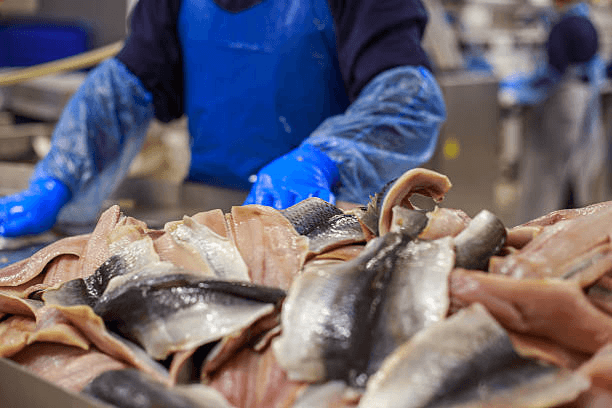
For fresh seafood, time and temperature control remain critical. EU rules include specific hygiene and chilling requirements for fishery products. Fresh fishery products must be appropriately chilled, while handling and processing must prevent contamination and spoilage.
A reliable fresh and frozen seafood supplier should therefore have documented handling procedures. These procedures should cover receiving, storage, processing, packaging, and transportation.
Packaging also plays an important role. Correct labels should connect products with relevant lot or batch information. This supports traceability during storage and distribution.
For frozen seafood, temperature control remains equally important. Proper freezing, storage, and transportation help protect product condition until delivery.
Salmon Quality Depends on Controlled Handling
Norwegian salmon has strong demand across European and international markets. However, product reputation alone does not guarantee consistent quality.
Buyers should examine how suppliers manage salmon from production through delivery. Important factors include product specifications, processing standards, packaging, temperature management, and delivery schedules.
A reliable wholesale seafood supplier should clearly communicate these details. Buyers can then compare products based on measurable requirements instead of price alone.
Traceability also helps connect salmon shipments with relevant documentation. This creates stronger visibility when buyers need to verify product details.
Moreover, consistent cold-chain management supports freshness and shelf life. The supplier should have procedures that protect the product during storage and transportation.
For commercial buyers, these controls can reduce waste and improve inventory planning. They can also help maintain consistent quality for restaurants, retailers, and foodservice operators.
Sustainability and Responsible Seafood Sourcing
Sustainability has become an important consideration for seafood buyers. However, responsible purchasing requires evidence rather than broad environmental claims.
A sustainable seafood supplier should be able to explain its sourcing practices and provide relevant certifications where applicable. Certifications may include schemes such as MSC, ASC, or GlobalG.A.P., depending on the species and production system.
For example, the Norwegian Seafood Council documents the use of international standards and chain-of-custody certifications within parts of the seafood industry. These include MSC, ASC, and GlobalG.A.P. chain-of-custody systems.
Certification does not automatically make every product sustainable. Instead, buyers should verify the specific certification, scope, validity, and product coverage.
Responsible sourcing also involves understanding the supplier behind the product. A professional buyer should ask where the seafood comes from and how the supplier maintains documentation.
This approach creates a more transparent sustainable seafood supply chain. It also gives businesses stronger information for their own sustainability policies.
Certifications Provide Valuable Verification
Seafood certification can support quality and sustainability claims. However, certification requirements differ between schemes.
Therefore, buyers should ask suppliers for current certificates rather than relying on website statements. They should also confirm whether the certificate covers the actual product and facility involved.
Relevant certification can support areas such as:
- Sustainable fisheries or aquaculture
- Chain of custody
- Food safety management
- Processing controls
- Quality management
- Responsible production
For example, Norwegian seafood businesses may work with systems such as HACCP, MSC, ASC, and GlobalG.A.P.
A professional supplier should also understand how certification connects with customer requirements. This becomes particularly important for retailers and foodservice companies with supplier-audit programs.
Cold Chain Control Protects Product Integrity
The cold chain is one of the most important parts of commercial seafood distribution.
Fresh seafood requires controlled temperatures from handling through delivery. Frozen products require stable frozen storage and transportation. Any weak point can affect product quality.
EU hygiene rules specifically address chilling and handling requirements for fishery products. Fresh products must receive appropriate chilling and hygienic handling.
Therefore, buyers should ask suppliers how they monitor temperature during storage and transportation.
Good documentation can include shipment details, storage records, product specifications, and delivery information. These records strengthen accountability across the supply chain.
For commercial buyers, cold-chain control also supports predictable product performance. That can reduce unnecessary waste, customer complaints, and rejected deliveries.
Export Documentation and European Standards
Norwegian seafood exporters must meet applicable food safety and export requirements. The exact documentation depends on the destination market and product.
Norway is harmonised with the EU on food matters through the EEA framework. As a result, trade within the EU/EEA generally does not require the same health certification process as exports to countries outside the EU/EEA.
However, some EU/EEA situations can still require pre-export certification. Requirements also vary for destinations outside the EU/EEA.
Therefore, experienced seafood procurement services should understand documentation requirements before shipment.
Depending on the destination, documentation may include health certificates, product information, export records, and other market-specific requirements.
Some countries can also require additional documentation, approved producers, or HACCP-related declarations.
This is why buyers should work with suppliers that understand international seafood compliance.
Choosing a Reliable Seafood Sourcing Supplier
Choosing the right supplier requires more than checking price and availability. Buyers should assess the supplier’s complete operating process.
A reliable seafood sourcing supplier should provide clear information about:
- Product origin
- Species and product form
- Processing location
- Lot or batch identification
- Certifications
- Packaging specifications
- Cold-chain procedures
- Export documentation
- Delivery schedules
- Product quality requirements
Buyers should also ask how the supplier handles quality issues. Clear procedures can reduce delays when products do not meet agreed specifications.
Furthermore, supplier communication matters. Fast, accurate responses can make procurement much easier during changing market conditions.
A professional supplier should act as a partner rather than simply a trading intermediary.
Direct Seafood Sourcing Can Improve Supply Visibility
Direct seafood sourcing can provide greater visibility into the supply chain. Instead of relying on multiple undocumented intermediaries, buyers can work with suppliers that understand the product’s origin and handling history.
However, direct sourcing does not automatically guarantee better quality. Buyers still need to verify suppliers, certifications, specifications, and documentation.
The main advantage is greater transparency. Buyers can establish clearer communication about product requirements and delivery expectations.
This can also support long-term procurement planning. Suppliers can better understand customer specifications, while buyers gain more consistent product information.
For businesses managing significant seafood volumes, this transparency can become a valuable commercial advantage.
Commercial Seafood Distribution Requires Reliable Documentation
A professional seafood distribution company must coordinate several moving parts. These include sourcing, processing, storage, packaging, transportation, documentation, and customer delivery.
Traceability connects these activities.
EU requirements for food of animal origin support a “one-step back” and “one-step forward” approach. Businesses should know their immediate suppliers and the businesses receiving their products.
Therefore, distribution records should remain accurate and accessible.
Strong documentation also helps businesses respond quickly to product issues. It can identify affected lots and support targeted actions instead of unnecessary disruption.
For importers and wholesalers, this creates a more controlled purchasing environment.
What Buyers Should Check Before Ordering Norwegian Seafood
Before choosing a supplier, commercial buyers should create a simple verification checklist.
First, confirm the product origin and specifications. Next, request relevant certifications and verify their validity.
Then, ask about cold-chain controls and packaging standards. Also, confirm which export documents accompany each shipment.
Buyers should also review the supplier’s ability to provide traceability information. Product documentation should connect the shipment with relevant lot or batch details.
Finally, discuss delivery expectations before placing recurring orders.
This approach makes supplier comparison more objective. It also helps businesses avoid selecting suppliers based only on short-term pricing.
A professional fresh and frozen seafood supplier should be able to answer these questions clearly.
Why Traceability Builds Buyer Confidence
Traceability is not simply a regulatory requirement. It can also strengthen commercial relationships.
When buyers can verify origin, quality, certification, and handling information, they have more confidence in their purchasing decisions.
Likewise, retailers and foodservice businesses can use reliable supplier documentation to support their own quality systems.
Traceability can also improve communication. When both parties use clear lot, product, and shipment information, problems become easier to investigate.
As a result, seafood sourcing becomes more transparent and measurable.
For companies selling premium Norwegian seafood, this transparency can also support stronger customer communication. Buyers can demonstrate that their products come from documented and controlled supply chains.
Why Choose a Professional Norwegian Seafood Partner?
Norwegian seafood buyers need dependable supply, consistent quality, and accurate documentation.
At Sangolten Seafood, professional sourcing should focus on these commercial priorities. Buyers can evaluate products based on origin, specifications, quality controls, documentation, packaging, and delivery requirements.
A strong supplier relationship should also support long-term procurement. Instead of treating every shipment as a separate transaction, businesses can develop repeatable purchasing processes.
That approach can improve planning and create better supply visibility.
For international buyers, understanding European standards and Norwegian export requirements is equally important. The Norwegian Food Safety Authority provides destination-specific guidance and export documentation requirements.
Therefore, experienced suppliers can help buyers navigate the practical side of international seafood trade.
Frequently Asked Questions
What is seafood traceability?
Seafood traceability is the ability to follow seafood through production, processing, storage, and distribution. It connects products with suppliers, customers, lots, batches, and relevant records.
Why is seafood traceability important?
Traceability supports food safety, product verification, recalls, and supply-chain transparency. EU food law requires traceability throughout production, processing, and distribution.
What should I check when buying Norwegian seafood?
Check origin, product specifications, certifications, packaging, cold-chain controls, traceability records, and export documentation. Also, confirm delivery and quality requirements before ordering.
What certifications can seafood buyers look for?
Depending on the product, buyers may encounter MSC, ASC, GlobalG.A.P., HACCP, and other recognised quality or sustainability systems. Always verify the certificate’s scope and validity.
Why is cold-chain management important for seafood?
Cold-chain management helps maintain product quality during storage and transportation. Fresh fishery products require appropriate chilling under EU hygiene requirements.
What does a wholesale seafood supplier provide?
A wholesale seafood supplier typically provides seafood in commercial quantities. Services can include sourcing, product preparation, packaging, documentation, storage, and distribution.
What are seafood procurement services?
Seafood procurement services help businesses source suitable seafood products based on specifications, availability, quality, documentation, and delivery requirements.
Can Norwegian seafood be exported to Europe?
Yes. Norway is harmonised with the EU on food matters through the EEA framework. However, specific certification or documentation requirements can apply depending on the shipment and destination.
Conclusion
Reliable seafood sourcing depends on transparency, documentation, quality control, and responsible supply-chain management. For Norwegian seafood buyers, traceability provides valuable visibility from origin to delivery.
The right supplier should understand sustainability, certifications, cold-chain management, packaging, export documentation, and European standards. They should also provide clear product information and dependable commercial support.
For importers, wholesalers, restaurants, retailers, and foodservice companies, these factors can make seafood procurement more predictable.
Therefore, do not evaluate seafood suppliers on price alone. Look at the complete supply chain, verify the documentation, and choose a partner that can support consistent quality and reliable delivery.
When traceability and responsible sourcing work together, buyers gain greater confidence in every shipment of Norwegian seafood.