How to Choose a Reliable Norwegian Seafood Exporter

Norwegian Seafood Exporter
Finding the right seafood partner can make a major difference to your purchasing success. International buyers need consistent quality, reliable deliveries, competitive pricing, and professional export support. Therefore, choosing the right Norwegian Seafood Exporter should involve more than comparing product prices.
Norway has earned a strong reputation in the global seafood industry. Its cold waters, advanced aquaculture sector, strict regulations, and modern processing facilities support high-quality seafood production. As a result, buyers around the world source salmon, trout, cod, mackerel, herring, and other seafood products from a reliable Norwegian Seafood Exporter
However, not every supplier offers the same level of service. A reliable partner should provide clear documentation, product traceability, dependable logistics, and transparent communication.
This guide explains how international buyers can identify a trustworthy seafood supplier. It also highlights the advantages of sourcing from Norway and choosing a professional export partner.
What Is a European Seafood Supplier?
A European seafood supplier provides seafood products to domestic and international buyers from European markets. These suppliers may work with fishing companies, aquaculture farms, processing facilities, cold storage operators, and international logistics providers.
European suppliers often serve wholesalers, distributors, supermarkets, restaurants, food manufacturers, and import companies. Therefore, they need strong systems for quality control and international trade.Norwegian Seafood Exporter
A professional seafood supplier can offer products in several formats. These may include fresh seafood, frozen seafood, whole fish, fillets, portions, and value-added products.
Europe also has strict food safety requirements. Consequently, suppliers must follow regulations covering hygiene, processing, labeling, storage, and transportation.
When buyers source seafood internationally, they should evaluate the supplier’s complete service. Product availability alone does not guarantee a successful business relationship.
A reliable supplier should also understand export procedures. This includes commercial invoices, packing lists, certificates, customs requirements, and shipping documentation.
Norway plays an important role in this market. Its seafood industry combines natural resources with modern technology and international export experience.
Therefore, buyers often look for suppliers that understand both seafood production and global trade.
Why Source Seafood From Europe and Norway?
Europe remains an important source of high-quality seafood for international markets. Norway, in particular, has developed a globally recognized seafood industry.
The country’s cold and clean waters create favorable conditions for many seafood species. Norwegian producers also use modern farming, harvesting, processing, and preservation technologies.
As a result, buyers can access seafood products that meet demanding international standards.
Strong Seafood Industry Experience
Norway has decades of experience supplying seafood to international markets. Norwegian companies export products to buyers across Europe, Asia, North America, Africa, and other regions.
This experience helps suppliers understand international buyer requirements. Moreover, established exporters often have strong relationships with processors, shipping companies, and cold storage facilities.
Strict European Standards
European standards place strong emphasis on food safety and quality. Therefore, professional suppliers must follow strict procedures throughout the supply chain.
These procedures may cover hygiene, temperature control, processing environments, product labeling, and transportation.
For international buyers, this creates greater confidence in the products they purchase.
Consistent Product Availability
Norwegian seafood suppliers can offer a broad range of products throughout the year. Availability depends on species, production cycles, fishing seasons, and market conditions.
Nevertheless, professional suppliers can often help buyers plan purchasing schedules.
This makes inventory management easier for wholesalers and distributors.
International Export Experience
A reliable seafood exporter Norway understands the challenges of international shipping.
For example, buyers may need specific certificates, labeling requirements, customs documents, or packaging formats.
An experienced exporter can help organize these requirements before shipment.
Therefore, sourcing from Norway can reduce unnecessary delays and improve supply chain efficiency.
What to Look for in a Seafood Supplier
Choosing the right supplier requires careful research. Buyers should evaluate the company before placing a large order.
Price matters. However, the cheapest offer does not always provide the best value.
Instead, buyers should consider quality, reliability, communication, documentation, and logistics.
Industry Experience
Experience often indicates that a supplier understands the seafood trade. Established companies usually know how to manage changing market conditions and international customer requirements.
Ask how long the company has worked in the seafood industry.
Also, ask which markets they currently serve.
A supplier with international experience may better understand your import requirements.
Product Knowledge
A professional supplier should understand the products they sell.
For example, they should explain product specifications, sizes, processing methods, glazing levels, packaging options, and storage requirements.
They should also provide accurate information about product origin.
Clear product information helps buyers avoid misunderstandings.
Reliable Communication
Communication plays a critical role in international trade.
A supplier should answer questions clearly and professionally. They should also provide accurate information about availability and delivery schedules.
Fast communication alone is not enough. Accuracy matters more.
Therefore, choose suppliers that provide realistic information instead of unrealistic promises.
Transparent Pricing
Seafood prices can change because of supply, demand, seasonality, exchange rates, and transportation costs.
A professional supplier should explain the commercial terms clearly.
Buyers should understand whether the price includes transportation, insurance, documentation, or other services.
Always confirm the agreed Incoterms before placing an order.
Professional Documentation
International seafood shipments require proper documentation.
Depending on the destination, buyers may need health certificates, certificates of origin, commercial invoices, packing lists, and transport documents.
A professional seafood export company should understand these requirements.
Proper documentation reduces the risk of customs delays.
Ability to Handle Large Orders
Wholesalers and distributors often need consistent supply volumes.
Therefore, ask the supplier about production capacity and regular availability.
A supplier should not accept an order they cannot realistically fulfill.
Reliable companies prefer long-term business relationships over unrealistic promises.
Seafood Quality and Traceability
Seafood quality should remain one of the most important factors when selecting a supplier.
Quality begins before processing. It depends on farming conditions, harvesting practices, handling, transportation, and storage.
Therefore, buyers should ask how suppliers manage quality throughout the supply chain.
Understanding Traceability
Traceability allows buyers to follow a seafood product through the supply chain.
A traceability system may identify the product origin, production area, processing facility, batch, and shipment information.
This information improves transparency.
It can also help businesses respond quickly to quality concerns.
For international buyers, traceability provides additional confidence when purchasing large volumes.
Quality Control Procedures
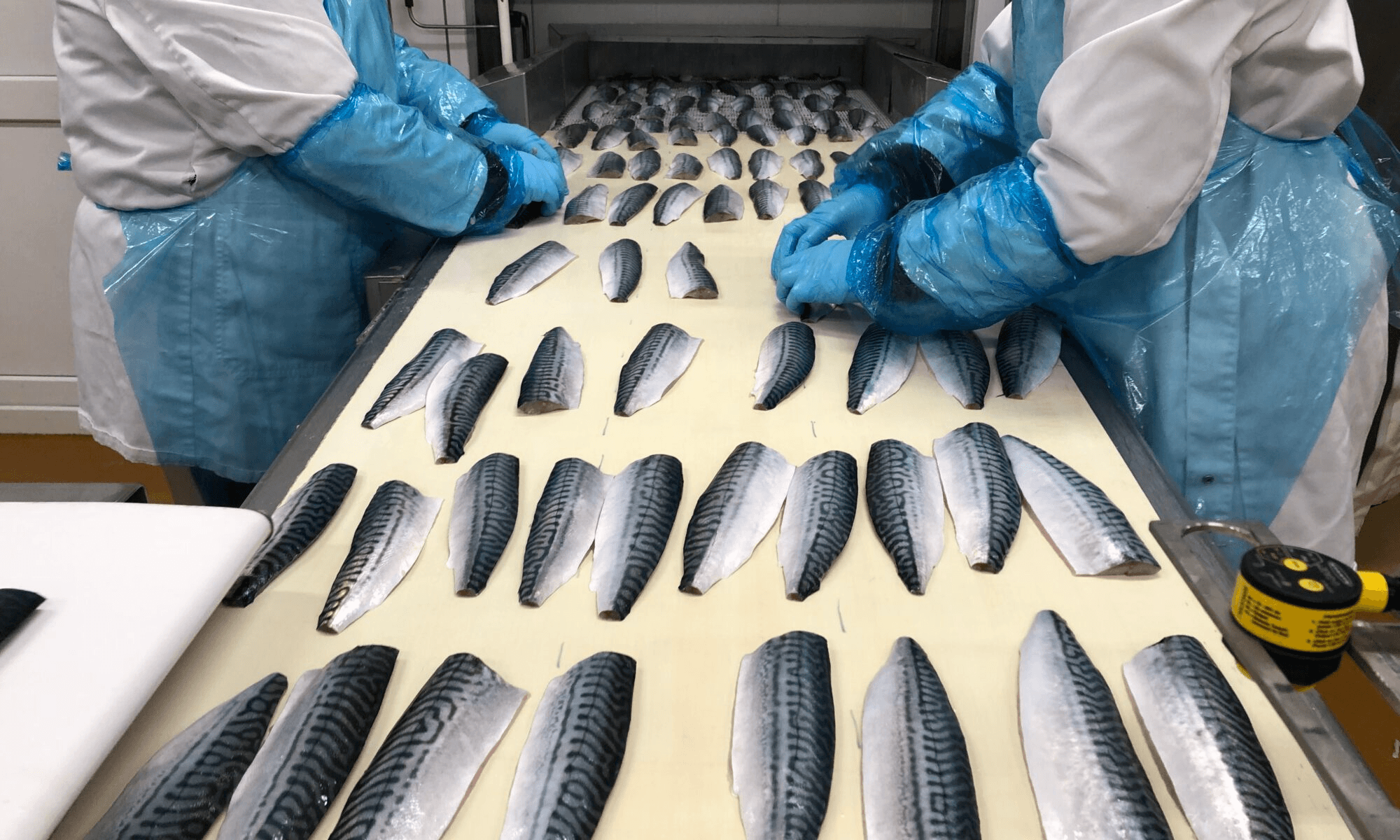
Professional suppliers should use quality control procedures during processing and packing.
These procedures may include product inspections, temperature monitoring, hygiene controls, and packaging checks.
Buyers should ask how the supplier verifies product specifications before shipment.
For example, salmon quality may depend on freshness, appearance, fat content, processing standards, and temperature management.
Clear specifications help both parties maintain consistent expectations.
Certifications and Compliance
Certifications can provide additional confidence. However, buyers should always verify which certifications apply to specific facilities or products.
Relevant certifications may relate to food safety, aquaculture, sustainability, processing, or quality management.
European standards also influence many parts of the seafood supply chain.
Therefore, buyers should request accurate and current certification information.
A trustworthy supplier should provide documentation when required.
Frozen vs. Fresh Seafood
International buyers often need to choose between frozen and fresh seafood.
The right choice depends on the destination, customer demand, transportation time, and storage capacity.
Fresh seafood offers strong appeal in markets that value immediate consumption. However, it requires fast and carefully controlled transportation.
Air freight may support fresh seafood deliveries to distant markets. Nevertheless, transportation costs can be significantly higher.
Frozen seafood offers greater flexibility.
Proper freezing helps preserve product quality while extending storage life. Therefore, frozen products often work well for wholesalers and distributors.
Frozen seafood can also support longer transportation routes.
However, buyers must maintain the cold chain throughout the journey.
Temperature interruptions can affect product quality and commercial value.
Therefore, buyers should select the product format that matches their logistics capabilities and customer requirements.
Export and International Logistics
International logistics can determine whether a seafood shipment arrives successfully.
A reliable supplier should understand the complete export process.
This includes product preparation, packaging, cold storage, documentation, transportation, and customs coordination.
Maintaining the Cold Chain
The cold chain protects seafood during transportation.
Frozen products must remain at appropriate temperatures throughout storage and shipping.
Therefore, suppliers should work with experienced cold chain logistics providers.
Refrigerated containers can support international shipments of frozen seafood.
However, proper handling remains essential before loading and after arrival.
Buyers should also confirm their own cold storage capacity.
A strong supply chain requires cooperation between the exporter, freight provider, customs agent, and importer.
Packaging for International Shipping
Seafood packaging protects products during transport.
Good packaging should support product safety, temperature control, handling, and efficient storage.
Packaging should also meet destination market requirements.
For example, labels may need information about product species, origin, weight, storage conditions, and production details.
Professional exporters should discuss packaging requirements before production begins.
Export Documentation
Export documentation varies according to the product and destination.
Common documents may include commercial invoices, packing lists, transport documents, and relevant health certificates.
Some markets may require additional documentation.
Therefore, buyers should discuss documentation requirements before confirming the order.
A reliable Norwegian supplier should prepare export paperwork carefully.
This reduces unnecessary delays at ports and borders.
Popular Norwegian Seafood Products
Norway offers a wide range of seafood products for international wholesale markets.
Product availability depends on seasons, production capacity, and market conditions.
However, several Norwegian seafood categories remain highly popular worldwide.
Norwegian Salmon
Norwegian salmon remains one of the country’s most recognized seafood exports.
Buyers can purchase salmon in several formats.
These include whole fish, gutted fish, fillets, portions, and frozen products.
Salmon quality depends on proper farming, harvesting, processing, and cold chain management.
Therefore, buyers should always confirm detailed product specifications.
Norwegian Trout
Norwegian trout also attracts international buyers.
It can offer an attractive alternative for wholesalers serving supermarkets, restaurants, and food distributors.
Frozen trout products can support long-distance transportation.
They can also provide convenient storage for bulk buyers.
Cod
Norwegian cod remains important in many international markets.
Suppliers may offer cod as whole fish, fillets, frozen portions, or other processed formats.
Buyers should confirm species, origin, size, processing method, and packaging requirements.
Mackerel and Herring
Mackerel and herring remain popular products in wholesale seafood markets.
They serve food manufacturers, distributors, processors, and international importers.
These products may be available in frozen formats for bulk shipments.
Other Seafood Products
Depending on supplier networks, buyers may also source shellfish and other seafood products.
A professional Norwegian fish exporter should clearly explain product availability.
They should never guarantee products without confirming supply.
This transparency helps buyers plan their purchasing strategy.
Questions Buyers Should Ask Suppliers
Before selecting a supplier, buyers should ask practical questions.
These questions can reveal how professionally the company manages international business.
Ask about product origin and traceability.
Ask which processing facilities handle the products.
Confirm available certifications and compliance documentation.
Request detailed product specifications.
Also, ask about packaging options and labeling requirements.
Buyers should confirm the minimum order quantity.
They should also discuss available shipping terms.
Ask how the supplier manages cold chain logistics.
Confirm estimated production and delivery timelines.
It is also useful to ask which export documents the supplier can provide.
Finally, buyers should discuss payment terms carefully.
Clear communication before ordering reduces misunderstandings later.
A professional supplier should welcome reasonable questions.
Transparency creates stronger long-term partnerships.
Why Choose Sangolten Seafood?
Choosing the right Norwegian Seafood Exporter means finding a partner that understands both seafood products and international trade.
Sangolten Seafood focuses on serving wholesale and international buyers with professional seafood sourcing and export support.
The company works to provide clear communication and practical solutions for international customers.
Buyers need more than access to products.
They also need reliable information, appropriate packaging, organized logistics, and professional documentation.
Therefore, Sangolten Seafood focuses on supporting customers throughout the purchasing process.
The company can assist buyers with product inquiries, specifications, packaging discussions, and export requirements.
International trade requires careful coordination.
For this reason, strong supplier communication remains essential from inquiry to shipment.
Sangolten Seafood also understands the importance of quality and traceability.
Modern seafood buyers increasingly expect transparent supply chains.
Sustainability also continues to influence purchasing decisions.
Therefore, responsible sourcing and compliance with relevant European standards remain important considerations.
Whether you need seafood for wholesale distribution, food service, processing, or international trade, choosing a dependable supplier can support long-term business growth.
Frequently Asked Questions About Norwegian Seafood Exporters
How do I choose a reliable Norwegian Seafood Exporter?
Choose a supplier with clear communication, product knowledge, traceability systems, quality controls, and international export experience.
Also, verify documentation and discuss logistics before placing a large order.
What seafood products does Norway export?
Norway exports many seafood products, including salmon, trout, cod, mackerel, herring, and other fish products.
Availability depends on seasons and market conditions.
What documents are required for seafood imports?
Requirements depend on the destination country and product.
Common documents may include invoices, packing lists, transport documents, and health certificates.
Always confirm requirements with relevant authorities and your customs agent.
Why is traceability important in seafood?
Traceability helps identify product origin and movement through the supply chain.
It improves transparency and supports quality management.
Is frozen seafood suitable for international wholesale?
Yes. Frozen seafood can work well for international wholesale because it supports longer storage and transportation periods.
However, the cold chain must remain properly controlled.
What should I check before buying seafood in bulk?
Confirm product specifications, origin, quality requirements, packaging, minimum order quantities, prices, Incoterms, shipping arrangements, and export documentation.
Clear agreements help prevent commercial problems.
Conclusion
Choosing the right Norwegian Seafood Exporter requires careful evaluation. Buyers should consider product quality, traceability, certifications, sustainability, packaging, cold chain management, logistics, and export documentation.
Price remains important. However, reliability often creates greater long-term value.
Norway offers strong advantages for international seafood buyers because of its advanced industry and commitment to quality.
Therefore, work with a supplier that communicates clearly and understands your market requirements.
Sangolten Seafood aims to support international buyers with professional seafood sourcing and export services.
Choose the right partner, establish clear expectations, and build a reliable supply chain for long-term growth.