Norwegian Seafood Quality: Standards, Safety, Traceability and Global Supply

Norwegian Seafood Quality
For international seafood buyers, product quality affects every stage of the purchasing decision. Importers need consistent specifications, reliable documentation, safe handling, and dependable delivery. Norwegian producers have developed strong systems around these requirements. As a result, Norwegian Seafood Quality has become an important consideration for wholesalers, distributors, retailers, foodservice companies, and seafood processors worldwide.
Norway combines strict controls, advanced infrastructure, responsible fisheries, and modern aquaculture. These strengths support consistent seafood production from harvest to export. Moreover, strong traceability helps buyers verify where products come from and how they were handled. Therefore, businesses sourcing seafood from Norway can build purchasing programs around measurable quality and supply reliability.
What Defines Norwegian Seafood Quality?
Norwegian Seafood Quality reflects more than the appearance of a fish or shellfish product. It includes freshness, food safety, handling, grading, processing, packaging, traceability, and logistics.
Furthermore, quality starts at the source. Producers monitor harvesting and farming conditions throughout the supply chain. They also apply established procedures for hygiene, temperature control, storage, and transportation.
For B2B buyers, consistency remains especially important. A seafood supplier must deliver products that match agreed specifications from one shipment to another.
These specifications can include:
- Species and origin
- Product form
- Size and weight
- Grading requirements
- Fresh or frozen condition
- Fillet or portion specifications
- Packaging format
- Net weight
- Glazing percentage
- Shelf life
- Temperature requirements
- Export documentation
Consequently, buyers can assess products against clear commercial requirements rather than relying only on visual inspection.
Norwegian Seafood Standards Support Consistent Production
Norwegian Seafood Standards provide an important foundation for commercial seafood trade. Producers and exporters operate within strict requirements covering food safety, hygiene, handling, processing, and product control.
In addition, European food safety requirements influence many seafood supply programs. Buyers serving European markets therefore benefit from suppliers who understand these regulatory expectations.
However, standards alone do not guarantee commercial success. Suppliers must apply those standards consistently throughout daily operations.
Quality control begins during harvesting or farming. It continues through sorting, processing, storage, packing, and transportation. Each stage can affect the final product.
Therefore, professional seafood suppliers maintain documented procedures across the entire supply chain. They also monitor critical handling points and maintain appropriate records.
Norwegian Seafood Quality Control From Source to Shipment
Norwegian Seafood Quality Control covers multiple stages of seafood production and distribution.
First, producers manage harvesting and farming conditions. Next, seafood moves through receiving and inspection procedures. Processing facilities then evaluate the product against established specifications.
Temperature control also plays a major role. Fresh seafood requires careful handling to protect freshness and shelf life. Frozen products require stable temperatures during storage and transportation.
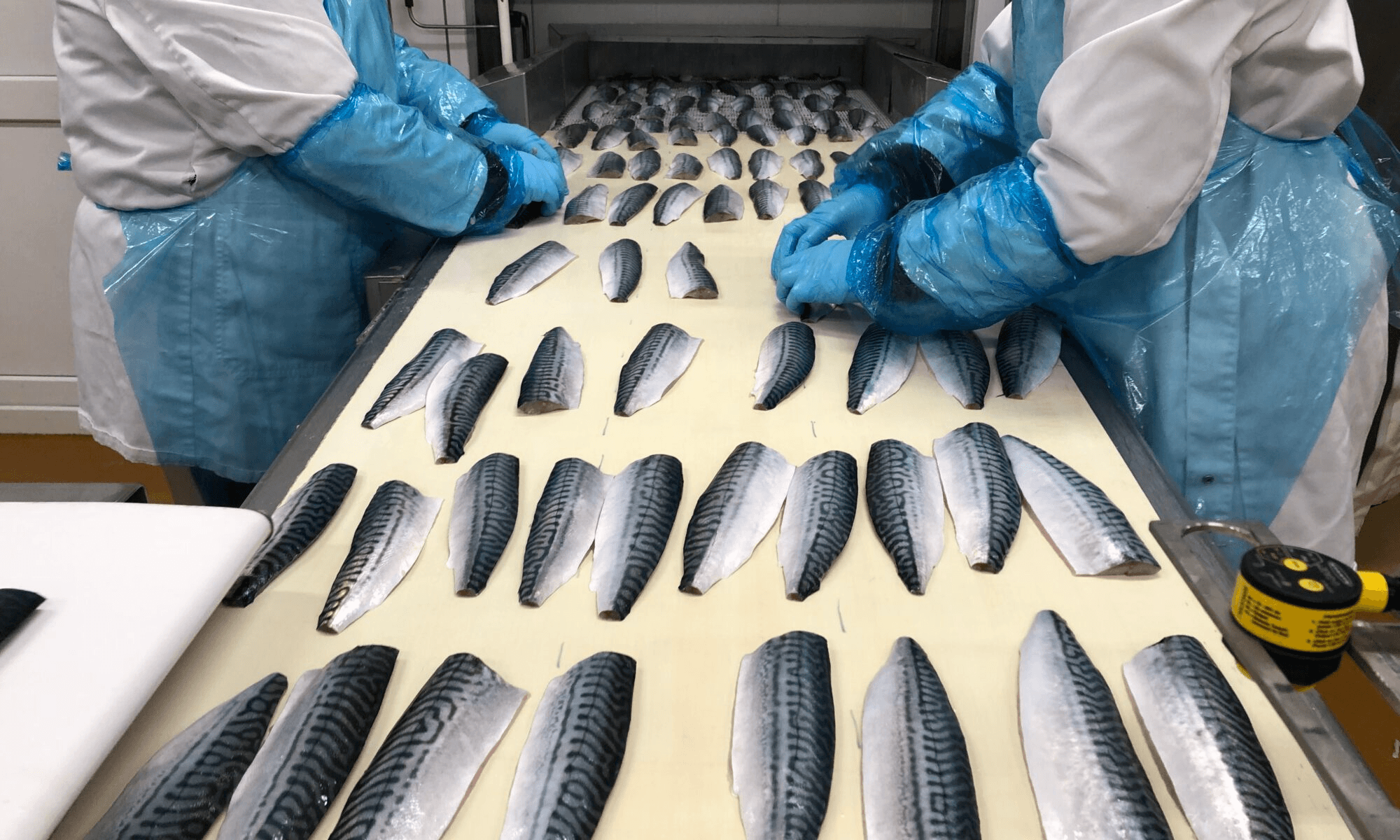
In addition, processing teams monitor product appearance, size, weight, trimming, and packaging. They may also perform additional quality checks based on product requirements.
For commercial buyers, this approach creates greater purchasing confidence. It also reduces the risk of receiving products that fail agreed specifications.
A reliable exporter should provide clear product information before shipment. This information helps buyers confirm that the order meets their market and customer requirements.
Norwegian Seafood Traceability Builds Buyer Confidence
Norwegian Seafood Traceability is another major advantage for international buyers. Traceability allows businesses to follow seafood through important stages of the supply chain.
Depending on the product, records can connect seafood with its source, production location, processing facility, batch, packaging, and shipment.
This information becomes valuable when buyers manage large seafood programs. It supports internal quality systems and helps businesses investigate specific batches when necessary.
Moreover, traceability supports responsible sourcing. Buyers increasingly want evidence about origin, production practices, and supply chain management.
For retailers and foodservice operators, traceable seafood can also strengthen procurement transparency. It provides useful information for quality teams, compliance departments, and purchasing managers.
Therefore, businesses should evaluate traceability systems before choosing a long-term seafood supplier.
Premium Norwegian Seafood for International Buyers
Premium Norwegian Seafood attracts buyers because of its reputation for consistent quality and responsible production. Salmon remains one of Norway’s most recognized seafood exports. However, Norwegian suppliers offer much more than salmon.
Commercial buyers can source products such as:
- Atlantic salmon
- Norwegian fjord trout
- Atlantic cod
- Haddock
- Hake
- Mackerel
- Herring
- Cold-water shrimp
- King crab
- Snow crab
- Other North Atlantic seafood
Product requirements vary between markets. Retail buyers may require specific portions and retail-ready packaging. Restaurants may prioritize freshness, sizing, and presentation.
Meanwhile, processors often need bulk formats and consistent specifications. Food manufacturers may require frozen products that fit established production processes.
Therefore, the best supplier matches product specifications with the buyer’s commercial application.
Salmon Quality and Product Consistency
Norwegian salmon quality remains a major reason international buyers consider Norwegian supply programs. Buyers typically evaluate freshness, color, texture, fat content, sizing, trimming, and presentation.
However, product quality also depends on handling after production. Proper chilling, processing, packaging, and transportation protect the product during distribution.
For frozen salmon, temperature stability becomes especially important. Poor temperature management can affect texture and overall product performance.
As a result, buyers should evaluate both product specifications and supply chain capabilities. A high-quality product needs reliable handling from production through final delivery.
Sangolten Seafood works with international buyers seeking fresh, frozen, and value-added seafood products. The company supports B2B sourcing requirements across international markets.
Norwegian Seafood Processing Adds Commercial Value
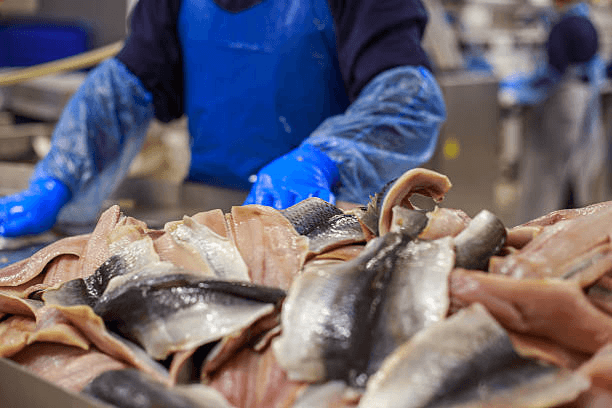
Norwegian Seafood Processing helps suppliers prepare products for different market requirements. Processing can include filleting, portioning, trimming, freezing, packing, and other value-added services.
For wholesalers and distributors, processed formats can simplify downstream operations. Retailers may also require products that fit specific shelf or packaging requirements.
Furthermore, foodservice companies often need predictable portion sizes. Processors therefore need to maintain accurate specifications across production runs.
Processing also requires careful temperature management and hygiene controls. Each stage must protect the product while meeting the buyer’s agreed specification.
Therefore, buyers should ask suppliers about processing capabilities before placing recurring orders.
Packaging Protects Seafood During International Transport
Packaging plays an important role in maintaining product quality. It protects seafood during storage, handling, transportation, and distribution.
Fresh products require packaging that supports temperature control and safe transportation. Frozen products require packaging that protects against damage and freezer conditions.
Depending on the market, buyers may request bulk cartons, retail packs, vacuum packaging, or other formats.
Packaging should also provide accurate product information. Labels may include product name, species, origin, weight, batch information, production details, and storage conditions.
For international shipments, packaging must also support efficient logistics. Strong packaging can reduce product damage during handling and transportation.
Consequently, packaging should form part of the supplier evaluation process rather than an afterthought.
Cold Chain Management Protects Product Quality
The cold chain connects production, processing, storage, transportation, and delivery. Any weakness can affect seafood quality.
Fresh seafood requires rapid and controlled movement through the supply chain. Frozen seafood requires stable frozen temperatures throughout transportation.
Professional exporters coordinate logistics carefully. They select suitable transportation methods and monitor shipment requirements.
In addition, buyers should understand the delivery terms before confirming an order. Clear Incoterms, shipping schedules, temperature requirements, and delivery locations reduce misunderstandings.
A strong Norwegian Seafood Supply Chain therefore depends on coordination between producers, processors, exporters, logistics providers, and buyers.
Certifications and Food Safety Matter
Norwegian Seafood Safety depends on effective food handling systems and regulatory compliance. International buyers should therefore review supplier documentation before establishing long-term relationships.
Certifications can provide additional evidence of management systems and responsible practices. However, buyers should assess certifications according to their market requirements.
Food safety documentation can include relevant certificates, product specifications, laboratory information, health documentation, and export records.
Importantly, documentation requirements can differ by destination. A supplier serving the European market may follow different procedures from one shipping to North America, Asia, or the Middle East.
Therefore, experienced exporters help buyers identify the documentation required for each shipment.
Sustainability and Responsible Seafood Sourcing
Sustainability has become an important commercial consideration for seafood buyers. Retailers, restaurant groups, manufacturers, and distributors increasingly evaluate environmental responsibility during procurement.
Norway has developed systems supporting responsible fisheries and aquaculture. Buyers can therefore consider sustainability alongside product quality and commercial requirements.
However, responsible sourcing requires more than a sustainability statement. Buyers should examine origin information, certifications, traceability, and supplier practices.
Traceability can help connect sustainability claims with specific products and supply chains. Consequently, procurement teams can make better-informed sourcing decisions.
For international businesses, sustainability can also support customer expectations and retailer requirements.
Export Documentation Supports International Seafood Trade
Successful seafood imports require accurate documentation. Export documentation helps buyers manage customs clearance, regulatory checks, logistics, and receiving procedures.
Depending on the destination and product, documentation may include commercial invoices, packing lists, certificates of origin, health certificates, catch documentation, and other regulatory records.
The exact requirements depend on the destination country and product category. Therefore, buyers should confirm documentation requirements before shipment.
An experienced exporter can coordinate relevant documents with suppliers, logistics partners, and the buyer’s importing team.
This process reduces avoidable delays and supports smoother international deliveries.
How to Choose a Reliable Norwegian Seafood Supplier
Choosing a seafood supplier requires more than comparing prices. Buyers should evaluate quality, consistency, communication, logistics, documentation, and product availability.
Consider asking these questions:
- Can the supplier provide clear product specifications?
- Can they document product origin and traceability?
- What processing and packaging formats are available?
- How do they manage the cold chain?
- Can they provide required export documentation?
- Which seafood markets do they currently serve?
- Can they support recurring wholesale orders?
- Can they meet specific sizing and packaging requirements?
- How do they manage quality complaints?
- Can they provide consistent supply throughout the agreed program?
A supplier that answers these questions clearly can provide greater procurement confidence.
Moreover, buyers should assess communication before placing large recurring orders. Responsive communication often indicates stronger commercial coordination.
Why Choose Sangolten Seafood?
Sangolten Seafood supports international buyers seeking reliable seafood sourcing and wholesale supply. The company works with importers, wholesalers, distributors, retailers, foodservice businesses, and other professional buyers.
Its product approach covers fresh, frozen, and value-added seafood for international markets. Buyers can discuss species, specifications, packaging, quantities, delivery requirements, and destination needs.
Furthermore, Sangolten Seafood focuses on practical B2B sourcing requirements. These include product consistency, documentation, logistics coordination, and supply chain reliability.
For businesses developing long-term seafood programs, direct communication with an experienced supplier can simplify procurement.
The right sourcing partner can also help buyers identify suitable products for their market. Therefore, procurement teams should evaluate suppliers based on overall value rather than price alone.
Frequently Asked Questions
What does Norwegian Seafood Quality mean?
Norwegian Seafood Quality refers to the overall quality of seafood from Norway. It includes freshness, safety, handling, processing, traceability, packaging, and supply chain control.
Why is Norwegian seafood popular internationally?
Norwegian seafood has a strong international reputation for consistent products and established supply systems. Norway also has extensive experience serving global seafood markets.
How does seafood traceability work?
Seafood traceability connects products with key supply chain information. Depending on the product, records can identify origin, batch, processing, packaging, and shipment details.
What products can buyers source from Norway?
International buyers can source salmon, trout, cod, haddock, mackerel, herring, hake, shrimp, crab, and other seafood products.
Why is cold-chain management important?
Cold-chain management helps maintain seafood quality during storage and transportation. Stable temperatures can protect freshness, texture, shelf life, and product safety.
What documentation do seafood importers need?
Requirements vary by product and destination country. Common documents can include commercial invoices, packing lists, origin documents, health certificates, and applicable regulatory records.
How can buyers verify seafood quality?
Buyers can review product specifications, traceability records, certifications, processing information, packaging details, and relevant documentation. They should also evaluate the supplier’s quality procedures.
Conclusion
Norwegian Seafood Quality represents a combination of product standards, safety controls, traceability, responsible sourcing, processing, packaging, and logistics. These factors matter when buyers need dependable seafood for international markets.
For importers and wholesalers, quality must extend beyond the product itself. It should continue through documentation, cold-chain management, transportation, and delivery.
Therefore, selecting the right seafood supplier can reduce procurement risks and improve supply consistency. Buyers should evaluate suppliers against measurable requirements and destination-market needs.
Sangolten Seafood provides B2B seafood sourcing support for companies seeking fresh, frozen, and value-added seafood. By discussing product specifications, quantities, packaging, documentation, and delivery requirements, buyers can develop sourcing programs suited to their markets.
When quality, traceability, safety, and reliability matter, a structured seafood supply partnership can create lasting commercial va